


Table Of Contents:
-
Introduction
-
Why Bathroom Cleaning and Hygiene Are Essential
-
Gathering Your Cleaning Supplies
-
Preparing the Space Before You Start
-
How to Clean a Bathroom ( in 7 Steps)
-
Deep Cleaning Bathroom Areas (Monthly Routine)
-
How Often Should You Deep Clean the Bathroom?
-
How to Clean a Bathroom Professionally
-
Bathroom Cleaning Procedure in Housekeeping Standards
-
How to Disinfect Bathroom Surfaces Safely
-
Bathroom Cleaning Checklist
-
Smart Cleaning Tips for Busy Homes
-
Common Bathroom Cleaning Mistakes
-
Cost of Bathroom Cleaning
-
Conclusion
-
FAQ Section
Introduction
A clean bathroom is essential for maintaining hygiene, comfort, and the longevity of your fittings and fixtures. Yet, despite being one of the most used spaces in any home, it’s often the one we dread cleaning the most. If you’ve ever wondered how to clean a bathroom efficiently while keeping it fresh and sanitised, this guide covers everything you need to know — from quick daily habits to deep-cleaning procedures that leave your washroom spotless.
Maintaining good bathroom cleaning and hygiene not only ensures your space looks pristine but also helps prevent mould growth, limescale build-up, and unpleasant odours. Regular care extends the lifespan of your taps, showers, tiles, and accessories, keeping them in excellent condition for years.


Why Bathroom Cleaning and Hygiene Are Essential
A clean bathroom is more than just a sign of good housekeeping — it plays a vital role in maintaining your health, comfort, and the longevity of your home fixtures. Regular cleaning and proper hygiene practices create a safe, refreshing, and visually pleasing space that benefits everyone in the household.
Preventing Bacteria, Mould, and Odours
Bathrooms are naturally humid environments, making them ideal breeding grounds for bacteria, mould, and mildew. Without regular cleaning, these harmful microorganisms can thrive on tiles, grout, shower curtains, and around taps and basins. This not only causes unpleasant odours but can also lead to health issues such as allergies, respiratory problems, and skin irritation. Using disinfectants and antibacterial cleaners helps to eliminate germs and keep the area sanitary, ensuring your bathroom remains a safe and comfortable space.
Enhancing Wellbeing and Home Aesthetics
A spotless bathroom has a direct impact on your overall wellbeing. A clean and fresh-smelling washroom promotes relaxation and a sense of order, making your daily routines more pleasant. Visually, it also contributes to the overall aesthetic of your home — gleaming tiles, clear mirrors, and polished fittings reflect care and attention to detail. Guests and family members alike appreciate the inviting and hygienic atmosphere of a well-maintained bathroom.
Extending the Lifespan of Fixtures
Regular maintenance doesn’t just improve appearance — it also preserves the quality of your bathroom fittings. Fixtures such as taps, basins, and tiles can deteriorate over time due to soap scum, limescale, and mineral deposits. Routine cleaning prevents these build-ups from causing corrosion, stains, or blockages, helping your bathroom stay functional and attractive for years. Investing a few minutes in upkeep can save you from costly repairs or replacements in the long run.
The Role of Ventilation and Moisture Control
Proper ventilation is a crucial yet often overlooked aspect of bathroom hygiene. Excess moisture encourages mould growth and unpleasant odours while damaging paint, grout, and wooden elements. Ensuring good airflow — whether through an exhaust fan or an open window — helps control humidity and keeps the space dry and fresh. Pairing ventilation with regular cleaning routines ensures your bathroom remains both hygienic and durable.
Gathering Your Cleaning Supplies
Maintaining a spotless, hygienic washroom starts with having the right bathroom cleaning essentials on hand. From sturdy tools to natural cleaning products, the right equipment makes the task easier, faster, and far more effective. Here’s a complete guide to the must-have items for a cleaner, fresher bathroom.
Tools
Reliable tools are the foundation of efficient cleaning. They help reach corners, remove grime, and leave every surface sparkling.
-
Brushes:
A variety of brushes — including a toilet brush, scrubbing brush, and detail brush — are vital for tackling different surfaces. Use stiff-bristled brushes for floors and grout, and softer ones for delicate fixtures like taps or shower fittings. -
Microfibre Cloths:
These cloths trap dust and grime effectively without scratching surfaces. Keep separate cloths for the sink, toilet, and mirrors to maintain hygiene. They’re washable, reusable, and eco-friendly. -
Mop and Bucket:
A good mop keeps bathroom floors free of dirt and soap residue. A bucket with a wringer helps control water usage and makes rinsing easier. -
Gloves:
Protect your hands from harsh chemicals and hot water with durable rubber or nitrile gloves. Reusable gloves are better for the environment and cost-effective in the long term. -
Squeegee:
Use a squeegee after showers to remove excess water from tiles and glass, preventing streaks, limescale, and mould build-up. It’s one of the simplest cleaning essentials that helps maintain cleanliness daily.
Cleaners
Choosing the right cleaning agents ensures you remove dirt, bacteria, and limescale safely — without harming surfaces or the environment.
-
Detergent:
A mild liquid detergent or castile soap can cut through grime and grease on multiple surfaces. It’s gentle, effective, and suitable for eco-conscious cleaning. -
Vinegar:
White vinegar is a natural disinfectant and deodoriser. It dissolves mineral deposits, kills bacteria, and adds shine to taps and tiles. Mix it with water for an all-purpose spray. -
Baking Soda:
A gentle abrasive that removes stains and neutralises odours. Sprinkle it on sinks or toilets before scrubbing for a deeper clean. -
Descaler:
Hard water leaves mineral deposits (limescale) on taps, tiles, and showerheads. A natural descaler made from citric or lactic acid removes these without harsh chemicals. -
Disinfectant:
Essential for killing bacteria and germs on high-touch areas such as toilet handles, taps, and door knobs. For an eco-friendly option, try plant-based or biodegradable disinfectants.
Optional Gadgets
These tools make cleaning more thorough and convenient, especially if you want a deep-cleaned, low-maintenance bathroom.
-
Steam Cleaner:
Uses high-temperature steam to sanitise tiles, grout, and glass without any chemicals. Ideal for allergy sufferers and sustainable cleaning routines. -
Microfibre Mop:
Designed to lift and trap dirt using minimal water and no detergent, making it perfect for eco-friendly cleaning. -
Grout Brush:
A narrow, stiff-bristled brush that targets grime between tiles, where mould and dirt tend to accumulate. It helps restore the original colour of grout lines.

Preparing the Space Before You Start
Clear the decks first: remove toiletries, towels, mats, bins and decor so every surface is accessible. Open a window or run the extractor to keep air moving, then gather a dry microfibre cloth or duster and sweep/vacuum the floor. Dust lights, vents, shelves and skirting so loose debris, hair and cobwebs are gone before any liquids touch the room.
This simple prep speeds everything up and keeps things hygienic. With clutter out of the way, ventilation reducing fumes and humidity, and dust removed, your cleaners work directly on grime, you avoid muddy residue and cross-contamination, and you’re far less likely to end up with streaks, smells or wasted effort.


How to Clean a Bathroom ( in 7 Steps)
A spotless bathroom isn’t achieved through quick wipes — it’s the result of a structured, well-planned bathroom cleaning procedure. This seven-step guide ensures every area is cleaned thoroughly, safely, and efficiently, with attention to hygiene, durability, and freshness.
Step 1: Preparation, Organisation, and Ventilation
Before cleaning begins, take a few minutes to prepare your space. Start by decluttering the room — remove all toiletries, towels, mats, bins, and decorative items. This clears surfaces and allows you to reach every corner easily.
Next, ventilate the bathroom properly. Open windows or switch on the extractor fan to promote airflow and reduce humidity during and after cleaning. Proper ventilation prevents condensation and mould growth. Clean the extractor fan cover and use a vacuum brush attachment to remove dust from vents so moisture escapes efficiently. If your bathroom lacks natural ventilation, consider placing moisture absorbers or using a small dehumidifier to prevent dampness and musty odours.
Gather all your bathroom cleaning essentials into a caddy: microfibre cloths (colour-coded for different zones), scrub brushes, soft pads, gloves, mop, bucket, squeegee, and your chosen cleaners. Having everything close at hand avoids interruptions mid-clean.
Finally, put on protective gloves, ensure all products are labelled correctly, and never mix bleach with acids such as vinegar or descalers.
Step 2: Dry Dusting, Hair Removal, and Vent Maintenance
Always begin your bathroom cleaning procedure dry. Removing dust and hair before introducing water prevents residue from turning into sticky grime.
Use a dry microfibre cloth or duster to clean light fittings, vents, extractor fans, and shelves. Vacuum dust build-up from fan grilles and skirting boards — this keeps your ventilation system efficient and helps prevent future mould.
Then, sweep or vacuum the floor to collect hair, lint, and debris, especially around the toilet base and corners. This dry preparation allows cleaning products to act directly on dirt and bacteria later.


Step 3: Pre-Treat Problem Areas
Pre-treating stubborn spots makes the main cleaning far easier and more effective.
-
Showers and Baths: Spray a bathroom cleaner or mild descaler on tiles, glass, and taps. Allow 5–10 minutes of dwell time to break down soap scum and mineral deposits.
-
Grout and Silicone: Apply a paste of baking soda and water or a cream cleaner to stained grout lines and corners.
-
Toilet Bowl: Pour toilet cleaner under the rim and into the bowl, letting it sit while you work on other areas.
Avoid scrubbing immediately — allowing products to dwell softens grime, meaning you’ll use less effort later.
Step 4: Clean Mirrors, Glass, and Fixtures
Begin from the top to avoid re-soiling lower surfaces. Spray glass cleaner (alcohol or vinegar-based) onto mirrors and shower screens, then wipe in overlapping S patterns with a clean microfibre cloth. For a professional finish, run a squeegee over large glass panels.
Move on to metallic fixtures such as taps, handles, and shower fittings. Use a mild detergent or non-abrasive cleaner. For limescale, apply a descaler briefly and rinse well. Avoid acidic products on brass, matte black, or coated finishes. Dry everything immediately with a separate cloth to prevent watermarks and maintain shine.
Step 5: Deep Clean Basin, Bath, Shower Area, and Radiators
This stage tackles the core of your bathroom cleaning procedure — removing soap scum, residue, and moisture build-up from frequently used areas.
Basin and Vanity:
Apply a mild detergent or all-purpose cleaner, scrubbing the bowl, tap base, and overflow hole with a soft pad or old toothbrush. Rinse thoroughly and wipe dry for a streak-free shine.
Bath and Shower Area:
Scrub the pre-treated tiles and walls using a non-scratch pad or brush. Use a grout brush to agitate remaining grime between joints. Rinse with warm water from top to bottom, then squeegee or towel-dry to prevent mould regrowth.
Radiators and Heated Towel Rails:
Don’t overlook these often-neglected areas. Use a brush attachment on your vacuum cleaner to remove dust from behind and between radiator panels. Wipe heated towel rails with warm, soapy water, rinse, and dry thoroughly to prevent rust or tarnish. Keeping these clean ensures even heat distribution and adds to the polished look of your bathroom.

Step 6: Clean and Disinfect the Toilet
The toilet should always be cleaned last to prevent cross-contamination.
After the toilet cleaner has soaked, scrub thoroughly under the rim and into the trap with a toilet brush. Flush while twisting the brush in the water flow to rinse it.
Clean the seat, lid, hinges, and exterior surfaces with a dedicated cloth and an all-purpose cleaner. Follow with a disinfectant, ensuring it remains wet for the full contact time to kill bacteria effectively. Don’t forget to wipe the flush handle and base area. Allow everything to air dry.
Step 7: Floors, Finishing Touches, and Maintenance Routines
Finish your bathroom cleaning procedure with the floors and final details.
Floor Cleaning:
Sweep or vacuum again to remove any remaining debris. Mop with a neutral-pH cleaner that’s safe for tiles, vinyl, or sealed stone. Use a well-wrung mop to avoid puddles, which can damage grout or encourage mould. Work from the farthest corner toward the door.
Finishing Touches:
After the floor is dry, replace towels, mats, and toiletries. Wipe bottle bases and shelves before returning items. Polish taps and handles with a dry microfibre cloth to restore their shine. Keep the window or fan running for at least 15–20 minutes to let the bathroom air out completely.

Deep Cleaning Bathroom Areas (Monthly Routine)
Even with consistent weekly cleaning, your bathroom benefits from a monthly deep clean. Weekly maintenance focuses on visible hygiene; deep cleaning tackles slow-build issues — limescale, mould, and odours. Understanding how to deep clean bathroom areas properly protects finishes and keeps the space fresher for longer.
1) Descaling Fixtures and Surfaces
Hard water leaves limescale that dulls glass and metal.
-
Showerheads & Tap Spouts: Remove and soak (if possible) in a citric-acid descaler or vinegar solution (only if safe for the finish) for 30–60 minutes. Rinse thoroughly and brush nozzle holes gently.
-
Shower Screens & Tiles: Mist with a descaler; allow 5–10 minutes dwell time, agitate with a non-scratch pad, rinse, and squeegee dry.
-
Chrome/Stainless Fixtures: Wipe with descaler on a cloth, rinse, and dry immediately.
Note: For natural stone surfaces, use only pH-neutral, stone-safe products — never vinegar or acids.
2) Drain and Trap Cleaning
Drains collect hair and soap residue that cause odours and slow drainage.
-
Physical Clear: Lift strainers and remove debris with a drain snake or brush.
-
Eco Flush: Add ½ cup baking soda, then ½ cup vinegar; let fizz 10–15 minutes; rinse with hot water.
-
Stubborn Odours: Use an enzymatic drain cleaner overnight; rinse next day (avoid following with bleach or acids).
3) Curtain and Liner Washing
Fabric and vinyl capture soap film and mildew spores. Wash monthly on a hot cycle with antibacterial detergent, adding a towel to help scrub residue. Air-dry fully before rehanging to prevent damp smells. If using glass screens, simply descale and dry them instead.
4) Grout Care and Resealing
Grout is porous and prone to staining. Clean with a grout brush and oxygen-based cleaner (or baking soda paste). Rinse and dry. If joints still look porous or stained, apply a penetrating grout sealer once dry. For silicone sealant showing mould or cracks, remove, dry the area completely, and reapply sanitary silicone. Let it cure fully before getting wet.
5) Deodorising and Cleaning Bins
Humidity amplifies odours and bacteria in bins. Empty and scrub with warm, soapy water or disinfectant, rinse, and dry fully. Deodorise with baking soda or a charcoal deodoriser. Replace liners and wipe the area underneath.
Optional Monthly Tune-Ups (Highly Recommended)
-
Ventilation & fan: Isolate power, remove the cover, vacuum dust from blades/grille, wipe, dry, and refit to keep airflow strong and humidity lower.
-
Polishing pass: After routine cleaning, buff taps, handles, and plates with a dry microfibre for a fingerprint-free finish.
-
Edge detailing: Wipe skirting boards, door frames, and behind/under freestanding storage where dust gathers.
Why this deep clean matters
Applying a structured approach to deep cleaning bathroom areas prevents limescale damage, keeps drains odour-free, and stops mildew taking hold in grout and silicone. Done monthly, these tasks extend fixture life, reduce effort during weekly cleans, and maintain that bright, hotel-fresh feel.
How Often Should You Deep Clean the Bathroom?
While surface cleaning should be part of your weekly routine, a thorough deep clean should ideally be carried out once a month. This frequency keeps your bathroom hygienic, prevents long-term damage from moisture and mineral build-up, and ensures that small maintenance issues don’t develop into major repairs.
However, the exact timing can vary depending on your household size, bathroom usage, and ventilation quality:
-
High-use bathrooms — such as family bathrooms or shared spaces — benefit from a deep clean every 2–3 weeks. Regular use means higher humidity levels, faster soap scum build-up, and more bacteria on frequently touched surfaces.
-
Guest or low-traffic bathrooms may only need a deep clean every 6–8 weeks, as they experience less wear and tear.
-
Bathrooms with poor ventilation should be deep cleaned more frequently to keep condensation, mould, and odours under control.
-
Homes in hard water areas should descale fixtures and glass every few weeks to prevent mineral damage.
To stay consistent, it helps to schedule one deep-cleaning day each month, perhaps the first weekend, and keep a checklist ready. Regular attention ensures that your weekly cleans remain quick and effortless while your bathroom continues to look, feel, and smell impeccably fresh.

How to Clean a Bathroom Professionally
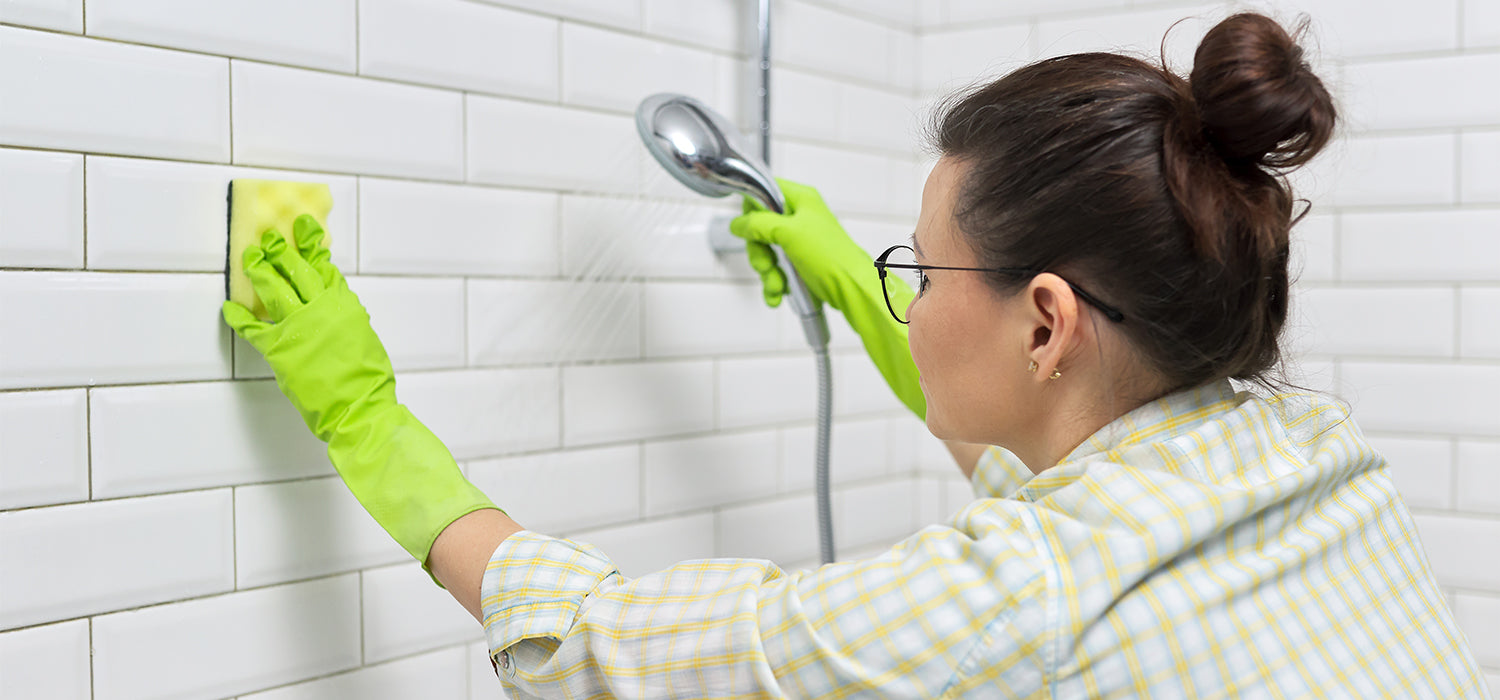
If you’re aiming to master how to clean a bathroom professionally, think like a hotel housekeeper: plan the route, control moisture, and let chemistry do the heavy lifting. This is the same structured, repeatable system professionals use to deliver spotless results every time.
The Golden Rules (Never Break These)
-
Sequence: top → bottom, dry → wet, clean → dirty, far corner → exit.
-
Cloth discipline: colour-code (glass / general / toilet / floors) and fold microfibre into eighths; rotate to a fresh face to prevent smearing.
-
Chemistry over force: apply, allow dwell time, then agitate — scrubbing first wastes effort and risks damage.
-
Compatibility: use pH-neutral products on natural stone; avoid strong acids on brass, chrome, and matte finishes.
-
Contact time: disinfectants only work if surfaces stay visibly wet for the full duration stated on the label.
These principles are the backbone of every professional cleaning routine and are central to maintaining both hygiene and material longevity.
Bathroom Cleaning Procedure in Housekeeping Standards
In hotels, serviced apartments, and healthcare facilities, the bathroom cleaning procedure in housekeeping is not improvised — it’s a carefully designed, audited system that ensures safety, consistency, and hygiene certification. This process allows every bathroom, regardless of who cleans it, to meet the same professional standard.
1. Maintaining Consistency and Hygiene Certification
Professional housekeeping teams follow approved SOPs (Standard Operating Procedures) and digital or paper checklists to maintain consistency.
Each cleaning cycle is verified through:
-
Supervisor inspections to confirm cleanliness, presentation, and completion.
-
Third-party hygiene audits (such as HACCP or ISO-based frameworks) that validate compliance and sanitation standards.
-
Ongoing staff training in new products, sustainable cleaning techniques, and guest safety requirements.
This structured approach ensures that every bathroom looks, feels, and smells clean — and passes strict hygiene inspections with ease.
2. Product Safety and PPE (Personal Protective Equipment)
Safety is a non-negotiable part of professional housekeeping. All cleaning products are handled under COSHH or equivalent chemical safety regulations.
-
Dilution control: Measured dispensers or colour-coded dosing systems prevent product misuse and residue build-up.
-
Labelling: Each bottle lists the product name, dilution ratio, and hazard icons for quick reference.
-
PPE: Gloves are mandatory; masks, aprons, and eye protection are used when handling descalers, disinfectants, or concentrated chemicals.
-
Storage and ventilation: Chemicals are stored upright, lids tight, and away from electricals or heat sources.
-
Safe use: Disinfectants and detergents are applied according to manufacturer guidance, following correct dwell time and rinsing instructions.
This ensures both user safety and long-term protection of bathroom surfaces.

How to Disinfect Bathroom Surfaces Safely
Understanding how to disinfect bathroom surfaces properly is key to maintaining a hygienic, germ-free environment without damaging your fixtures. Disinfection is more than a quick spray-and-wipe — it’s about using the right products, applying them correctly, and allowing sufficient contact time for full effectiveness.
1. Understanding the Role of Disinfection
Cleaning removes visible dirt and residue, but disinfection kills the bacteria and viruses that cause illness. In bathrooms, high humidity and constant moisture make surfaces a breeding ground for germs. Proper disinfection ensures these microorganisms are effectively destroyed, especially in areas frequently touched by multiple people.
2. Choosing the Right Disinfectant
When learning how to disinfect bathroom spaces, it’s important to choose safe yet effective products.
-
Household Disinfectants: Look for products labelled as antibacterial or virucidal.
-
Eco-Friendly Options: Plant-based or biodegradable disinfectants are gentler on surfaces and the environment.
-
Surface Compatibility: Always check the label — some disinfectants can corrode metals, dull natural stone, or damage coatings such as matte black finishes.
-
Never mix chemicals: Especially avoid combining bleach with acids (e.g., vinegar, descalers, or toilet cleaners), as this releases harmful fumes.
3. Apply, Don’t Just Spray — The Importance of Dwell Time
The most common mistake when disinfecting is wiping too soon. Every disinfectant has a required dwell time — the amount of time it must stay visibly wet on the surface to kill pathogens effectively.
-
Typical dwell time: 1–10 minutes, depending on the product.
-
Keep surfaces wet for the full duration — reapply if they start to dry.
-
After the dwell time, rinse if the label advises, especially on food-contact areas or children’s surfaces.
Allowing disinfectants to air dry (when safe) ensures full contact and complete germ elimination.
4. Safe Handling and Personal Protection
Disinfectants are powerful chemicals, so handle them responsibly.
-
Wear gloves to protect your skin, and avoid inhaling fumes by keeping the area well-ventilated.
-
Use in moderation: More isn’t better — using excessive amounts can damage surfaces and irritate skin or airways.
-
Label bottles clearly, especially if you’ve diluted a concentrate.
-
Store safely — upright, sealed tightly, and away from children or pets.
5. Focus on High-Touch Areas
Knowing where to disinfect is just as important as how to do it. High-contact points accumulate germs faster than other areas, so prioritise:
-
Taps and handles — basin, bath, and shower controls.
-
Toilet flush buttons or levers.
-
Door handles and locks.
-
Light switches and extractor fan controls.
-
Vanity drawer pulls and mirror edges.
-
Bin lids and laundry baskets.
Wipe visible soil first with a mild cleaner, then apply disinfectant and allow the required dwell time before drying.
6. Sequence for Safe and Effective Disinfection
For best results, follow a professional sequence every time you disinfect:
-
Clean first: Dirt and residue reduce disinfectant effectiveness.
-
Apply disinfectant evenly: Mist lightly or use a cloth dampened with the product.
-
Allow full dwell time: Surfaces must stay wet.
-
Rinse if required: Especially on polished metals and sealed stone.
-
Dry and polish: Use a clean microfibre cloth for a streak-free finish.
7. Aftercare and Regularity
For most households, disinfecting high-touch surfaces every 2–3 days is ideal, while full bathroom disinfection should follow your weekly cleaning schedule. In shared bathrooms or during illness, increase frequency to daily for taps, flush handles, and door switches.
Regular, careful disinfection keeps your bathroom sanitary without causing long-term wear on finishes — ensuring your space stays not only clean but also safe and durable.
Bathroom Cleaning Checklist
Daily
-
Wipe basin & taps; quick toilet seat wipe.
-
Squeegee shower glass/tiles after use.
-
Ventilate (fan/window); hang towels to dry.
Weekly
-
Declutter; clean mirrors, basin, shower/bath.
-
Disinfect taps, flush handle, switches, door handles.
-
Scrub toilet bowl; mop floor (neutral-pH).
Monthly
-
Descale showerheads, taps, glass/tiles.
-
Deep-clean grout/silicone; wash curtains/liners.
-
Clean extractor fan/vents; deodorise bins & drains.
Smart Cleaning Tips for Busy Homes
Keeping your bathroom clean doesn’t have to be time-consuming — it’s all about working smarter, not harder. These expert bathroom cleaning tips help you stay on top of hygiene even on your busiest days
.
-
Let cleaners do the work: Apply products and let them sit for a few minutes while you tidy or fold towels. The dwell time allows the formula to break down grime and limescale, reducing scrubbing later.
-
Adopt a daily wipe routine: Keep disinfectant wipes or a microfibre cloth handy to quickly clean the basin, taps, and toilet seat each day. A 2-minute habit prevents dirt build-up.
-
Dry as you go: After showers, use a squeegee or towel to dry glass, tiles, and fittings. This simple step prevents water spots, mould, and limescale.
-
Maintain airflow: Keep the extractor fan running for 15–20 minutes after bathing, or open a window to reduce humidity and odours. Good ventilation is key to preventing mould and maintaining freshness.
Common Bathroom Cleaning Mistakes
-
Wrong cleaner on metal/stone → Use pH-neutral on stone; gentle descaler on metal, rinse & dry fast.
-
Poor ventilation/grout neglect → Run fan 15–20 min post-shower, squeegee glass/tiles, scrub grout weekly; re-seal as needed.
-
Bleach overuse/mixing chemicals → Disinfect only high-touch points, follow contact time, never mix bleach with acids or ammonia.
-
Dirty tools → Colour-code cloths, hot-wash cloths/mop heads, let toilet brush drip-dry and clean the holder regularly.
Cost of Bathroom Cleaning
Keeping a bathroom clean doesn’t have to be pricey. Whether you do it yourself or book a cleaner, knowing the typical costs helps you plan for a fresh, hygienic space without overspending.
a. DIY Bathroom Cleaning Cost
Doing it yourself is the most budget-friendly option and works well for weekly upkeep. A small starter kit—cleaning sprays or concentrates, a descaler, a glass cleaner, and a disinfectant—usually comes to £10–£25, while reusable tools like microfibre cloths, brushes, a mop and a squeegee are roughly £15–£30 and last for months. If you prefer natural solutions, staples like baking soda, white vinegar and lemon can cost under £5. Once you’ve stocked up, your weekly spend typically sits under £10, thanks to refillable bottles and long-life tools.
b. Professional Bathroom Cleaning Cost (UK Averages)
If you’d rather leave it to the pros—or you’ve got multiple bathrooms—professional cleaning delivers consistent, high-standard results. Expect £20–£40 per session for a standard clean (general scrubbing, disinfection and polishing) and £50–£100 per session for a deep clean (thorough descaling, grout attention, ventilation and drain care). For homes with several bathrooms, full-house packages often start from £150+.
Prices are influenced by the size and condition of the bathroom, the frequency of visits (weekly contracts often cost less per session than one-offs), your location (London and larger cities tend to be higher), and any extras such as mould treatment or tile polishing.
c. Simple Ways to Spend Less
Opt for multipurpose cleaners you can dilute or refill, pair them with reusable cloths and spray bottles, and lean on eco-friendly DIY mixes (for example, vinegar and bicarbonate of soda) where appropriate. Most importantly, clean little and often—regular light maintenance prevents grime build-up and reduces the need for costly deep cleans later.
Conclusion
Keeping your bathroom clean doesn’t have to be overwhelming — it’s about consistency, smart routines, and the right tools. By following a structured method like this seven-step process, you can maintain a space that feels fresh, hygienic, and welcoming every day. Regular upkeep prevents limescale, mould, and odours from building up, while monthly deep cleans protect your fixtures and tiles for years to come.
A well-maintained bathroom not only reflects good hygiene but also enhances your comfort and peace of mind. With a few minutes of attention each week, your bathroom can remain spotless, sanitary, and a pleasant part of your home — proving that cleanliness is not just about appearance, but also about wellbeing and care.
Explore our other related blog posts :
Frequently Asked Questions